Massage is one of the most popular complementary health practices in the United States. According to the National Center for Complementary and Integrative Health (NCCIH), about 10.9% of U.S. adults used massage in 2022, more than double the share in 2002. Many people in South Florida book a massage for a sore back, a stiff neck after long hours at a desk, or simply to unwind.
But what does the research actually show? This guide walks through what massage may help, how large and how lasting the effects seem to be, where the evidence is weak, and how to stay safe. It also explains who is licensed to give massage in Florida.
What massage therapy is
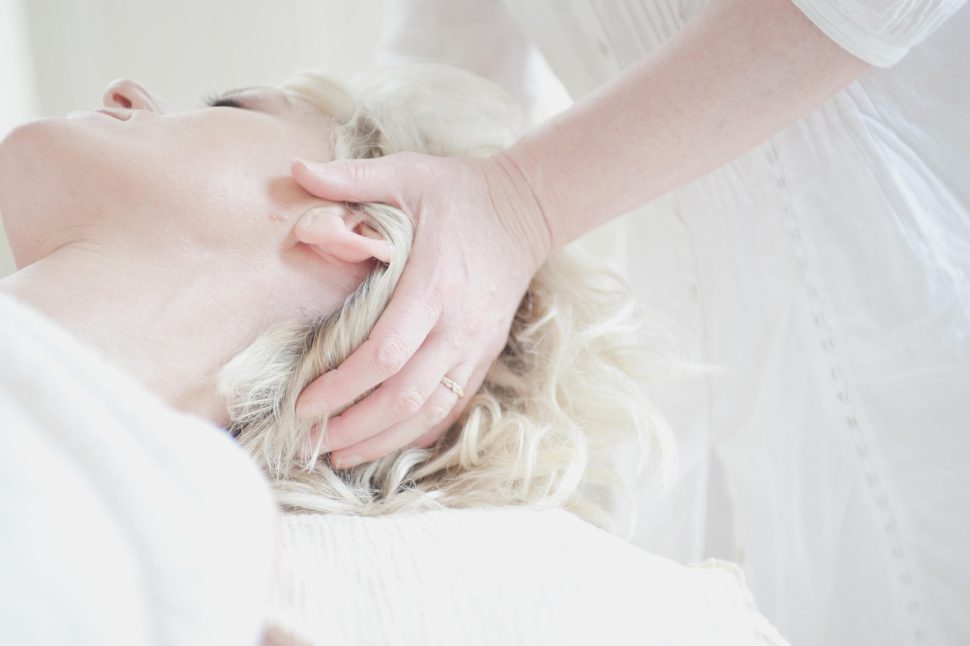
NCCIH describes massage therapy as hands-on manipulation of the body’s soft tissues, such as muscles and connective tissue. Florida law, in Chapter 480 of the Florida Statutes, describes it in similar terms: working the soft tissues by hand, foot, knee, arm or elbow, sometimes with heat, water or devices.
Common styles include:
- Swedish massage, the most common style in Western countries, using long strokes and kneading
- Sports massage and clinical massage, aimed at specific goals such as easing muscle spasms
- Eastern styles such as Shiatsu and Tuina
What the evidence shows for pain
Overall, research suggests massage may help some kinds of pain for a short time. Most studies are small, and the quality of evidence is often low.
Low back pain
NCCIH’s low back pain page reports that a 2015 review of 25 studies (about 3,000 people) found massage may produce short-term improvements in pain, but the quality of evidence was low to very low. A 2018 review by the Agency for Healthcare Research and Quality (AHRQ) found slightly better pain and function at 1 to 6 months compared with sham massage or usual care, and no evidence of an effect at 6 to 12 months.
The American College of Physicians’ guideline, as summarized by NCCIH, includes massage as an option for acute and subacute low back pain, based on low-quality evidence. It does not recommend massage for chronic low back pain. If back pain is your main concern, see Back pain: where to start.
Neck and shoulder pain
According to NCCIH, massage may help neck and shoulder pain, but benefits may be short-term. In studies it did better than inactive treatments, but not better than other active treatments. One review suggested short-term relief when sessions were long enough and frequent enough.
Other conditions
- Fibromyalgia: massage may help some symptoms, including pain, anxiety and depression, if continued for at least 5 weeks. It did not appear to help sleep problems.
- Knee osteoarthritis: research is limited. Most of a small number of studies found short-term pain relief.
- Headaches: there are few studies, and results are inconsistent.
- Cancer: massage can be part of supportive care with precautions. NCCIH notes that evidence for pain and anxiety relief in people with cancer is limited and of very low quality.
- Premature babies: babies born early who receive massage may gain weight, but no clear benefit was shown for healthy full-term infants.
What the evidence shows for stress and anxiety
Many people seek massage to relax, and it is reasonable to enjoy it for that. The research on stress and anxiety is still developing:
- NCCIH’s anxiety page (updated 2024) says massage therapy may reduce anxiety, but more high-quality trials with larger numbers of people are needed before firm conclusions can be drawn.
- NCCIH’s stress page notes that a 2014 clinical guideline for people treated for breast cancer recommended several approaches, including massage, for stress reduction, anxiety, depression, fatigue and quality of life.
- Small studies in people living with HIV suggest possible benefits for mood and quality of life, but there are few studies and they are small.
If stress or anxiety is affecting your sleep, work or relationships, a licensed mental health professional can help. Our sister site SoFlo Therapists lists licensed therapists in South Florida.
What this means for you
- Massage may ease some pain and help you feel more relaxed, but the effects found in research are usually modest and short-lived.
- It fits as one part of a broader plan, which may include movement, sleep and care from your doctor.
- NCCIH advises not to use massage to delay seeing a health care provider about a medical problem.
- Be wary of any business that promises specific results from massage. The research does not support that kind of claim.
Safety
NCCIH says the risk of harm from massage appears to be low. Rare serious problems have been reported, including blood clots, nerve injury and broken bones. Many of these cases involved vigorous techniques, such as deep tissue massage, or people at higher risk, such as older adults.
The Cleveland Clinic notes that bruising can happen, particularly in people who take blood thinners, and that deeper work may feel tender. Tell your therapist right away if pressure is too strong. For a full list of situations where you should check with a doctor or change the plan, read When to skip a massage.
When to see a doctor first
Talk with a doctor before getting a massage, rather than after, if you have:
- numbness, tingling or weakness in an arm or leg
- changes in bladder or bowel control
- fever, or weight loss you cannot explain
- pain after a recent fall, sports injury or car accident
- a leg that is swollen, warm, red or painful, which can be a sign of a blood clot
- cancer, or a history of cancer
- a pregnancy with complications
- a bleeding disorder, or you take blood thinners
Doctors in primary care, orthopedics, pain medicine and neurology are listed on SoFlo Doctors.
Who may give massage in Florida
In Florida, massage therapists must hold a license from the Department of Health under Chapter 480. According to the Florida Board of Massage Therapy, licensure requires completing a course of study of 500 or more clock hours at a Board-approved school, passing a Board-approved national exam such as the MBLEx, completing a 10-hour Florida laws and rules course, and passing background screening.
Massage businesses need their own establishment license as well. Florida law also requires every massage ad to include a license number. To learn how to check both licenses, see How to check a massage therapist’s and spa’s license in Florida.
Every SoFlo Wellbeing profile shows the therapist’s Florida license type and number with a link to verify it. Browse licensed massage therapists, see therapists who list sports injuries as a focus, or search by county, such as Broward County.
This is general information, not medical advice. Talk with your doctor before starting a new treatment. In an emergency, call 911.
Sources
- NCCIH: Massage Therapy: What You Need To Know
- NCCIH: Low-Back Pain and Complementary Health Approaches: What You Need To Know
- NCCIH: Anxiety and Complementary Health Approaches
- NCCIH: Stress
- NCCIH: Cancer and Complementary Health Approaches: What You Need To Know
- Cleveland Clinic: Massage Therapy
- Florida Statutes Chapter 480: Massage Practice
- Florida Board of Massage Therapy: Licensed Massage Therapist