South Florida heat is not just a summer thing. Long stretches of hot, humid days are part of life here, whether you work outdoors, play sports, walk the dog, or simply wait at a bus stop. Humidity can make the air feel much hotter than the thermometer says.
This guide covers practical, evidence-based ways to drink and eat well in the heat, using guidance from the CDC, the National Weather Service and the NIH. You will learn why there is no single “magic number” of glasses, who needs extra care, how to keep food safe, and which warning signs mean it is time to get help.
Why humidity matters
The National Weather Service uses the heat index to describe how hot it really feels when humidity is added to the air temperature. Its example: 96°F air with 65% humidity feels like 121°F. Heat index values are calculated for shade, and the Weather Service notes that full sun can raise them by up to 15°F.
That is why a South Florida afternoon can be risky even on a day that does not seem extreme on paper.
How much should you drink?
There is no one number that fits everyone. The CDC explains that daily water needs vary by age, sex, pregnancy, breastfeeding and activity level. Your body needs more in hot weather, when you are active, and when you have a fever, diarrhea or vomiting.
Simple ways to stay on track, based on CDC heat guidance:
- Drink plenty of fluids on hot days, even if you are not very active.
- Carry a water bottle and refill it during the day. Freezing water in a freezer-safe bottle keeps it cold for hours.
- Check your urine color. The CDC says light yellow or clear usually means you are drinking enough.
- Go easy on drinks high in sugar, sodium, caffeine or alcohol, which the CDC suggests limiting in the heat.
What about sports drinks?
For most daily life, water works well. The CDC notes that sugary drinks, including many sports and energy drinks, add calories with little nutrition, and that energy drinks can contain large amounts of caffeine. If you work or exercise hard in the heat and sweat a lot, MedlinePlus notes that you also lose salt and minerals that need replacing. CDC workplace guidance suggests water plus an electrolyte drink for heat cramps and advises against salt tablets. If you have heart problems or are on a low-sodium diet, ask your doctor first.
Eating well in the heat
Food counts toward your fluids too. The CDC notes that foods with high water content, such as many fruits and vegetables, add to your daily intake. In South Florida, that can mean adding fresh fruit, salads, cucumbers, tomatoes and other produce to your meals.
Other ideas that fit hot days:
- Keep water at the table with every meal, as the CDC suggests.
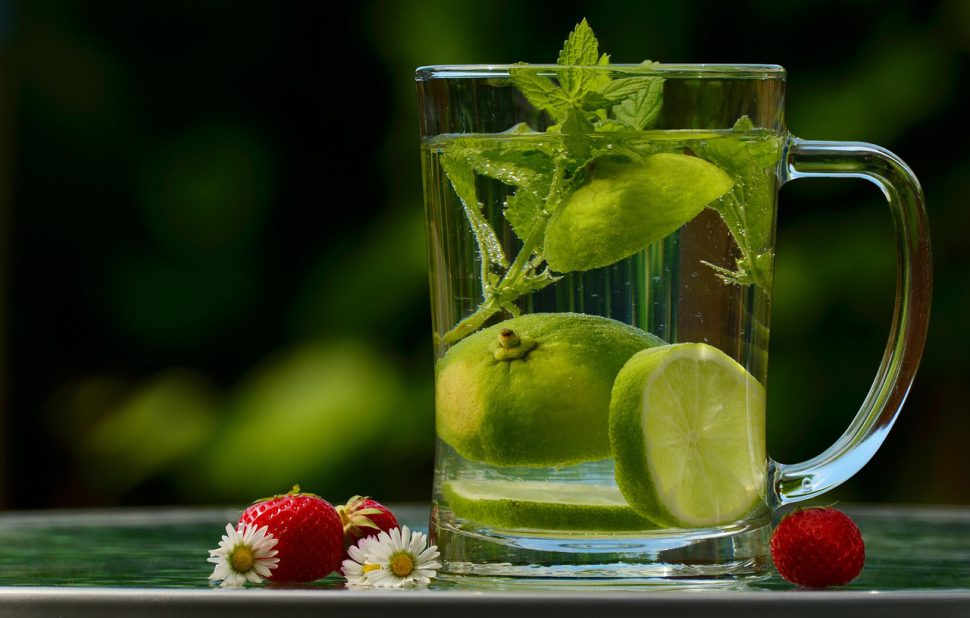
- Add a slice of lime or lemon to water if plain water is hard to enjoy.
If you have diabetes, kidney disease or another condition that affects fluids or salt, a licensed dietitian/nutritionist can help build a plan for the heat. Browse dietitians and nutritionists, or see sports nutrition if you train outdoors.
Keep food safe in hot weather
Heat helps germs grow fast. The CDC’s food safety guidance says:
- Do not leave perishable food out more than 2 hours.
- When it is above 90°F, such as at a beach picnic or in a hot car, the limit is 1 hour.
- Keep your refrigerator at 40°F or below.
- Keep raw meat, poultry, seafood and eggs away from ready-to-eat food, and wash hands for at least 20 seconds.
Pack coolers with ice, and do not leave groceries in the car while you run other errands.
Who needs extra care
Anyone can get sick from heat. The CDC lists groups that need extra precautions:
- adults 65 and older;
- infants and young children;
- pregnant women;
- people with heart disease, asthma or other chronic conditions;
- people who work or exercise outdoors.
The CDC also urges checking on family, friends and neighbors, especially those who live alone. For older relatives, see our older adults focus area or SoFlo Senior Living.
Medicines and fluid limits
Some medicines raise heat risk. The CDC’s guidance on heat and medications names several types, including diuretics (“water pills”), some blood pressure medicines, some mental health medicines and lithium. The CDC advises not stopping any medicine suddenly. If your doctor has told you to limit fluids, ask whether that limit should change on hot days instead of changing it yourself.
More ways to stay cool
- Plan outdoor activity for cooler parts of the day, and rest in the shade.
- Use air conditioning, or visit a cooling center or air-conditioned public place.
- The CDC notes that fans should be used only when indoor temperatures are below 90°F.
- Check the CDC HeatRisk tool and local forecasts before planning a long day outside.
Training hard outdoors? See our sports injuries focus area for licensed practitioners who work with athletes.
Warning signs: when to get help
CDC workplace guidance on heat-related illnesses describes:
Heat exhaustion
Headache, nausea, dizziness, weakness, irritability, thirst, heavy sweating and less urine. Move to a cool place, loosen or remove extra clothing, use cool wet cloths, and sip cool water. Get medical care. MedlinePlus warns that untreated heat exhaustion can lead to heat stroke.
Heat stroke: call 911
Confusion, slurred speech, fainting, seizures, very high body temperature, and either hot, dry skin or heavy sweating. Call 911 right away. Stay with the person, move them to shade, and cool them quickly with cold water, wet cloths or ice packs at the neck, armpits and groin.
Heat cramps
Painful muscle cramps or spasms. Rest, drink water, and get medical help if cramps last more than an hour or if the person has heart problems or a low-sodium diet.
When to see a doctor first
Talk with your doctor before a hot season of outdoor work or exercise if you are pregnant, are 65 or older, have heart, kidney or lung disease or diabetes, take diuretics or other medicines listed above, or have been told to limit fluids. SoFlo Doctors can help you find a primary care doctor nearby.
For more on choosing care, see which wellness practitioner is right for you, or search practitioners near you.
This is general information, not medical advice. Talk with your doctor before starting a new treatment. In an emergency, call 911.